




OK clogs vs. practical clogs: what do you need?
In healthcare and other sectors where hygiene, comfort, and safety are paramount, choosing the right footwear is essential. But which type of clog best suits your work environment? The difference between OK clogs and practical clogs may seem small, but it is enormously important in practice.
OK-clogs: designed for maximum hygiene
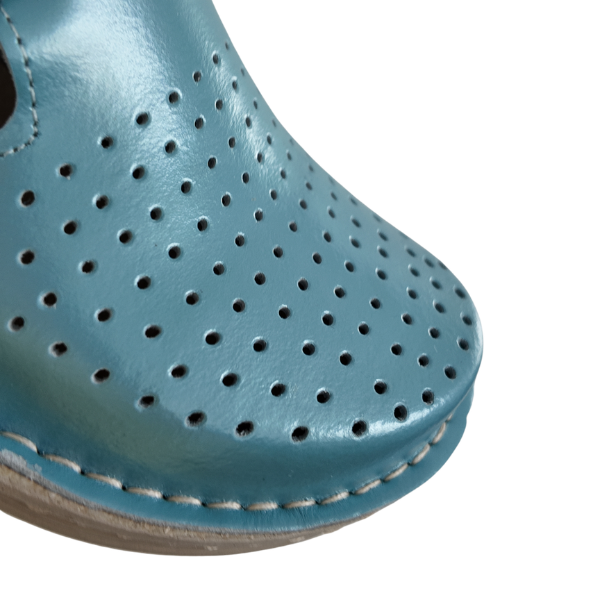
Strict requirements apply in the operating theatre. OT clogs, also known as surgical clogs or operating theatre shoes, must fully comply with hygienic guidelines. This includes sterilizable clogs that can withstand high temperatures and are easy to clean.
In addition, safety and functionality play a major role. OK-clogs are often liquid-resistant, so blood and other liquids do not soak into the material. They also have a non-slip (SRC) sole, which is essential in an environment where slippery floors pose risks.
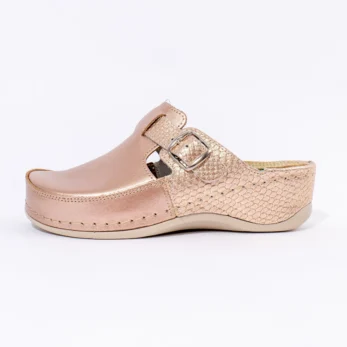
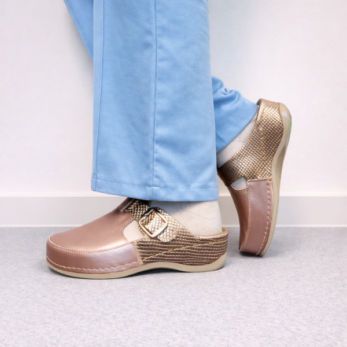
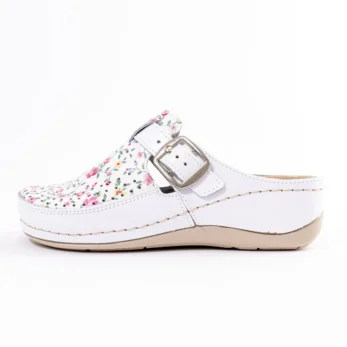
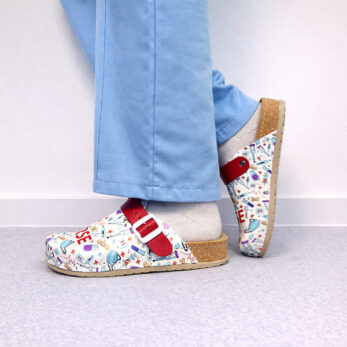
The design is usually sleek and minimalist. However, you increasingly see care clogs with prints, or even gold clogs and pink clogs in departments where there is a bit more room for personal style.
Find the perfect clogPractical clogs: comfort and appearance
Do you work in a dental practice, GP surgery, or for example, the hospitality industry? Then practical clogs are a better choice. These shoes, such as dental clogs or hospitality clogs, offer more flexibility in style and wearing comfort.
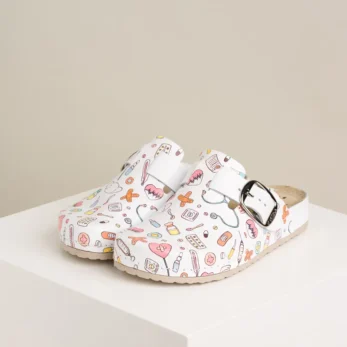
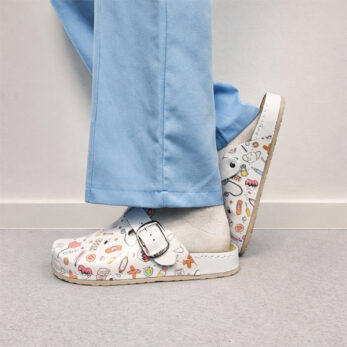
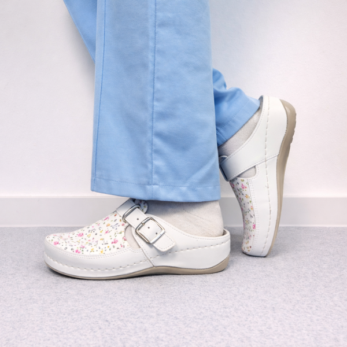
In these sectors, standing and walking for long periods is the norm. Therefore, practical shoes are often designed to be lighter and more ergonomic. Think of cheerful care shoes, clogs with flowers, or other prints that contribute to a friendly and approachable appearance for patients or customers.
Although hygiene is still important, the requirements are often slightly less stringent than in the operating theatre. However, washability remains a must, so that shoes can be easily kept clean.
Safety requirements by department
Each department has its own requirements for footwear. In the operating theatre, the emphasis is on sterilisation and liquid resistance. In practice, it's more about comfort and appearance, but non-slip soles are also important there to prevent slips.
Key points to note:
- Antislip (SRC): prevents slipping on wet floors
- Liquid resistance: essential in medical environments
- Washability: for optimal hygiene
Which clog do you choose?
The choice between OK clogs and practical clogs depends entirely on your work environment. Do you work in a sterile environment? Then opt for surgical clogs that are fully sterilizable. Do you work in a practice or in the hospitality sector? Then you can focus more on comfort and style, such as cheerful care shoes or clogs with flowers.
Whatever you choose: good footwear is not a luxury, but a necessity. It contributes to your safety, comfort, and appearance at work.